Best Onsen Near Shibuya Station: Top Baths and Sentō
Key takeaways
- While natural onsen directly at Shibuya Station are rare, authentic hot springs and sento sit within 5 to 20 minutes.
- Most bathhouses charge roughly 500 to 3,000 yen depending on whether you visit a neighborhood sento or a full spa resort.
- Tattoo rules and opening hours vary by location, making it essential to verify guidelines before visiting.
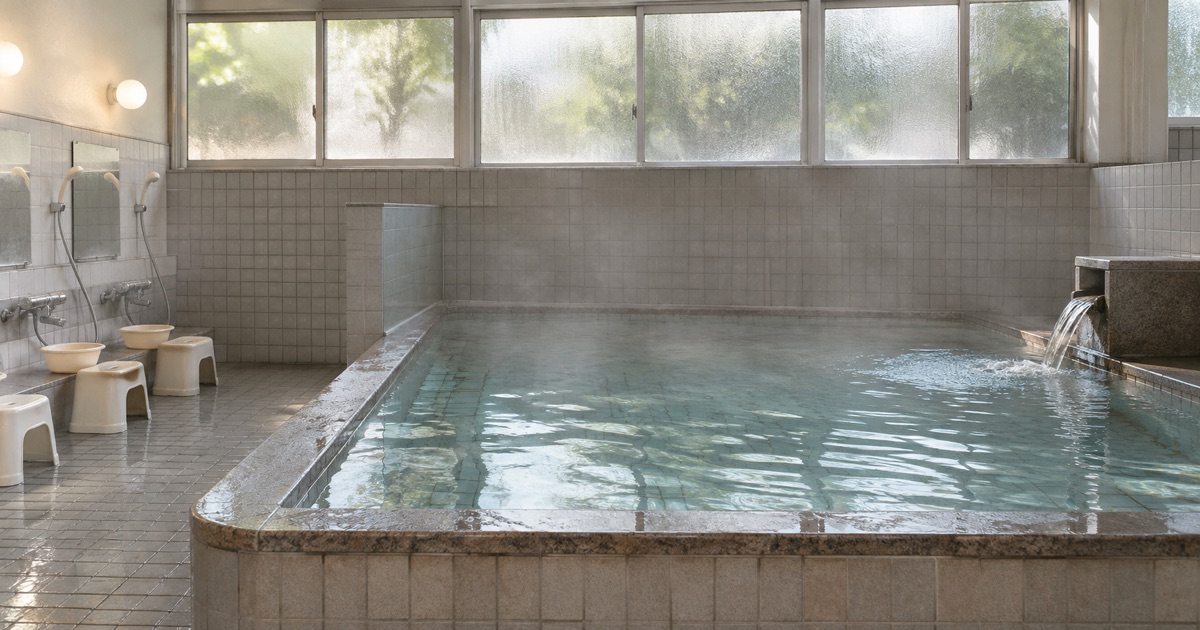
There are no natural hot spring resorts directly inside Shibuya Station, but travelers can reach authentic natural onsen and traditional bathhouses (sentō, 銭湯) within 5 to 25 minutes on foot or by local train. Whether you want a quick soak after walking through Shibuya Crossing or a full day at a modern thermal spa, several accessible options surround this major transport hub.
Tokyo possesses mineral-rich groundwater, often called kuroyu (黒湯, dark amber thermal water), which feeds hot spring facilities across the city. Understanding the difference between traditional public sentō and larger thermal spas helps first-time visitors choose the right bathhouse for their schedule and budget.
Sabi and Sentō: Bathhouses Within Walking Distance of Shibuya
If you prefer to stay on foot, a few historic neighborhood bathhouses operate in the residential streets tucked just behind Shibuya's commercial towers.
Kōryōsen (Shibuya)
Located roughly 10 to 15 minutes on foot from the Shibuya Hachiko Exit toward the Shoto (松濤) residential area, Kōryōsen (改良湯, Kairyōyu) is one of the most famous neighborhood sentō in central Tokyo. Originally founded in the early 20th century, it underwent modern architectural renovations that added sleek low-lighting, minimalist tilework, and high-spec sauna facilities.
- Travel time: Roughly 12 minutes on foot from Shibuya Station (East or New South exits).
- Water type: Softened tap water with specialized microbubble and carbonated bath installations.
- Atmosphere: Trendy, popular with locals and younger bathers, particularly for its sauna.
- Entry cost: Standard Tokyo sentō rate (around 520 to 550 yen, with an extra fee around 450 to 500 yen for sauna access). Prices can change; check on arrival.
Daikanyama and Ebisu Sentō Options
Taking a short walk south toward Daikanyama (代官山) or Ebisu (恵比寿) opens up classic community baths. For example, Sakaeyu (栄湯) in nearby Sasazuka or small neighborhood spots in Ebisu offer a glimpse into everyday Japanese bathing culture. Most of these neighborhood spots have retro interiors, tile murals of Mount Fuji, and simple hot pools.
Natural Onsen a Short Train Ride from Shibuya
For genuine geothermal mineral water (天然温泉, tennen onsen), hop on a commuter train from Shibuya Station. The rail network connects to several well-known thermal springs in under 30 minutes. Use railway services such as JR East to plan your route.
Musashi-Koyama Onsen Shimizuyu (Shinagawa Ward)
Musashi-Koyama Onsen Shimizuyu (武蔵小山温泉 清水湯) is widely regarded as one of the best value natural onsen in Tokyo. It features two distinct natural spring waters drawn from deep underground: amber-tinted kuroyu rich in plant matter, and a deeper golden mineral spring (ōgon-no-yu).
- Route from Shibuya: Take the JR Yamanote Line to Meguro Station (目黒駅), then transfer to the Tokyu Meguro Line to Musashi-Koyama Station (武蔵小山駅). The journey takes roughly 15 to 20 minutes, followed by a 5-minute walk.
- Facilities: Open-air outdoor bath (rotenburo, 露天風呂), indoor mineral pools, sauna, and relaxation rest areas.
- Cost: Neighborhood sentō rates (around 520 to 550 yen, extra for sauna). Always confirm details before your trip.
Thermae-Yu (Shinjuku)
For visitors seeking a resort-style experience complete with multiple rest lounges, restaurants, and saunas, Thermae-Yu (テルマー湯) in nearby Shinjuku is a massive multi-story "super onsen." While the facility is in Shinjuku, thermal spring water is trucked in daily from the hot springs of Jindaiji in Chofu.
- Route from Shibuya: Take the JR Yamanote Line, Saikyo Line, or Tokyo Metro Fukutoshin Line to Shinjuku-sanchome Station (新宿三丁目駅) or Shinjuku Station. The ride takes approximately 6 to 10 minutes, followed by a short walk toward Kabukicho.
- Facilities: Six indoor baths, outdoor thermal baths, neutral-temperature water loungers, scrub rooms, and Finnish saunas.
- Cost: Premium day-spa pricing, typically ranging between 2,700 and 3,500 yen for general adult admission, with surcharges for late-night stays. Verify exact rates on their official website.
Toshimaen Niwa-no-Yu (Nerima Ward)
If you have a free afternoon, Toshimaen Niwa-no-Yu (豊島園 庭の湯) offers natural outdoor onsen set around a tranquil Japanese garden designed by modern landscape masters.
- Route from Shibuya: Take the Tokyo Metro Fukutoshin Line directly to Nerima Station, then transfer to the Seibu Toshima Line to Toshimaen Station (豊島園駅), taking roughly 25 to 30 minutes.
- Facilities: Gender-separated traditional hot spring baths and a central co-ed hydro-therapy pool where swimsuits are required. Note that this facility is strictly for guests aged 12 or older.
We are working to carry Japanese craft and everyday culture beyond Japan, by building Japan Towns with local partners.
Read the Japan Town plan →First-Timer Guide: How to Use a Bathhouse Near Shibuya
Entering a public bathhouse without Japanese language skills can seem intimidating, but the process follows a standard sequence everywhere across Tokyo.
1. Shoes and Ticket Purchase
- Take off your outdoor shoes at the entrance (genkan, 玄関) and place them in an open shoe locker. Remove the wooden key or latch.
- Buy your admission ticket. In local sentō, this is usually a mechanical vending machine with buttons. Look for Adult (大人, otona). If you do not have a towel, buy a rental towel set (taoru setto, タオルセット).
- Hand your ticket and shoe locker key to the staff member at the front desk (bandai or front).
2. The Changing Room
- Enter through the appropriate doorway: Men (男, otoko) usually marked with a blue curtain; Women (女, onna) marked with a red curtain.
- Remove all clothing, including underwear and jewelry. Place everything into a locker and keep the locker key band securely around your wrist or ankle.
- Take only your small modesty washcloth into the bathing area. Leave your large bath towel in your clothing locker.
3. Washing Before Soaking
- Do not step straight into the bathwater.
- Sit on one of the plastic stools at an open washing stall.
- Use the handheld shower, soap, and shampoo to thoroughly wash and rinse your entire body.
- Rinse off your stool and the basin for the next bather when finished.
4. Soaking Etiquette
- Slowly ease into the hot water. Tokyo bathhouses often run hot, typically between 40°C and 43°C (104°F to 109°F).
- Keep your hair tied up so it never touches the water.
- Never let your small hand towel touch the communal bathwater; fold it and place it on your head or set it down on the edge of the pool.
- Keep conversations quiet to preserve the relaxing atmosphere.
5. Exiting
- Before stepping back onto the woven mats or vinyl flooring of the changing room, wipe off as much water as possible using your small washcloth.
- Dry off fully at your locker, dress, and return the wristband key at the front reception desk.
What to Bring and What to Leave Behind
Packing appropriately ensures a seamless visit, especially at neighborhood sentō where toiletries are not always included in the baseline entry price.
| Item | Neighborhood Sentō | Super Onsen / Spa |
|---|---|---|
| Small modesty towel | Bring your own or rent (approx. 100 yen) | Included or rented at front desk |
| Large bath towel | Bring your own or rent (approx. 150-200 yen) | Usually included in entry package |
| Shampoo / Body Wash | Sometimes free; often sold in small packets | Provided free at washing stations |
| Cash (Coins/Small bills) | Essential for ticket machines and shoe lockers | Credit cards often accepted |
| Plastic bag | Useful for packing wet washcloths | Plastic laundry bags often provided |
Tattoo Policies Near Shibuya
Japanese bathhouses maintain varied stances regarding body art and tattoos:
- Traditional Sentō: Under public health regulations, standard municipal sentō in Tokyo have historically allowed bathers with tattoos, viewing the service as essential community sanitation. Renovated sentō (such as Kairyōyu) generally permit small tattoos, but rules can shift or require skin patches.
- Super Onsen and Modern Spas: Large entertainment baths and private spa facilities (including Thermae-Yu and Niwa-no-Yu) strictly enforce bans on visible tattoos, including small designs and temporary transfers. Some facilities allow admission only if tattoos can be completely concealed beneath waterproof adhesive seals.
Because policies differ by facility and are subject to change, check the official website of the specific bathhouse before arriving. For broad tourism and cultural etiquette guidelines, review official resources on the Japan National Tourism Organization website.
Common Mistakes to Avoid
- Wearing swimwear into gender-separated areas: Traditional bathing requires complete nudity. Swimwear is only permitted in designated co-ed hydrotherapy zones (such as parts of Niwa-no-Yu).
- Taking photos inside the changing room: Smartphones and cameras are strictly prohibited past the entrance lobby to protect personal privacy.
- Putting towels in the bath: Communal hygiene is paramount. Keep your towel on the rim of the bath or balanced on your head.
- Expecting late-night entry without research: While some super onsen run 24 hours, traditional neighborhood sentō frequently close around 23:00 to midnight, and many observe a weekly rest day (often Monday or Friday). Check schedules on the day of your visit.
FAQ
- Q. Is there a natural hot spring directly inside Shibuya Station?
- A. No, Shibuya Station does not have a natural hot spring inside, but several sento and thermal hot springs are located within a short train or subway ride.
- Q. Can I visit an onsen near Shibuya if I have tattoos?
- A. Policies vary by facility, with traditional neighborhood sento generally being more relaxed and modern super onsen often restricting visible tattoos.
- Q. What should I bring when visiting a bathhouse near Shibuya?
- A. Bring a small hand towel, cash for ticket vending machines, and coin lockers; larger bathhouses rent towels and provide body wash and shampoo.
Cite or share this article
Copy the link below. If you quote this article, please link to this page as the source.