Sanage Onsen in Toyota: A Quiet Hot Spring Near Nagoya
Key takeaways
- Sanage Onsen sits in the hills of Toyota City, roughly an hour or less from central Nagoya by car or local transport.
- Facilities are generally small-scale and local, so check each one's own website for hours, closures, and tattoo policy before visiting.
- Bring cash, a small towel, and realistic expectations—this is a low-key soaking spot, not a resort-style onsen town.
What Is Sanage Onsen in Toyota?
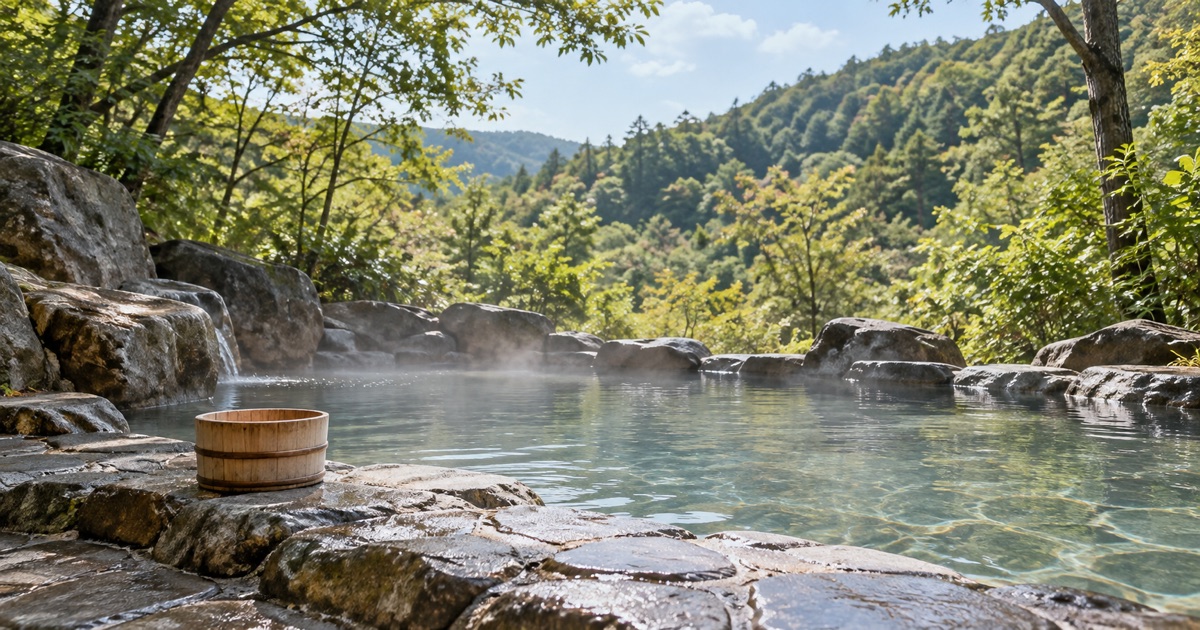
Sanage Onsen (猿投温泉) is a small, low-key hot spring area located in the hilly eastern part of Toyota City (豊田市) in Aichi Prefecture, named after nearby Mount Sanage (猿投山). It's best known as a quiet, local alternative to the bigger, more touristy onsen towns elsewhere in Japan, making it a reasonable option for travelers based in or around Nagoya who want a simple soak without a long-distance trip.
Unlike famous hot spring resorts such as Hakone or Kusatsu, Sanage Onsen doesn't have a dense cluster of ryokan and souvenir shops. It's a more residential, everyday kind of onsen area, which can be appealing if you want a low-pressure, non-touristy experience, but it also means facilities, signage, and English-language support are limited.
How to Get to Sanage Onsen from Toyota or Nagoya
By Car
Driving is generally the most straightforward way to reach the Sanage Onsen area, since it's in a semi-rural part of Toyota City, away from the main train lines. From central Nagoya, the drive typically takes somewhere around 45 minutes to an hour depending on traffic and your exact route. If you're renting a car in Japan, make sure you're comfortable with GPS navigation in Japanese place names, or use a navigation app that accepts the facility's address or phone number.
By Train and Bus
Public transport access is less direct. Travelers without a car will likely need to combine a train ride into Toyota City with a local bus or taxi for the final stretch, since Sanage Onsen itself is not immediately next to a train station. Because local bus schedules in this area can be infrequent, especially outside peak hours, it's worth checking current routes and timetables before you travel rather than assuming frequent service. If you're unsure, a taxi from a central Toyota City station is often the simplest, if pricier, option for the last leg of the journey.
For planning long-distance travel to the Nagoya area in the first place, the Japan National Tourism Organization website is a useful starting point for general transport information, and if you're arriving via Shinkansen, JR Central covers the main bullet train routes serving Nagoya Station.
We are working to carry Japanese craft and everyday culture beyond Japan, by building Japan Towns with local partners.
Read the Japan Town plan →What to Expect at Sanage Onsen
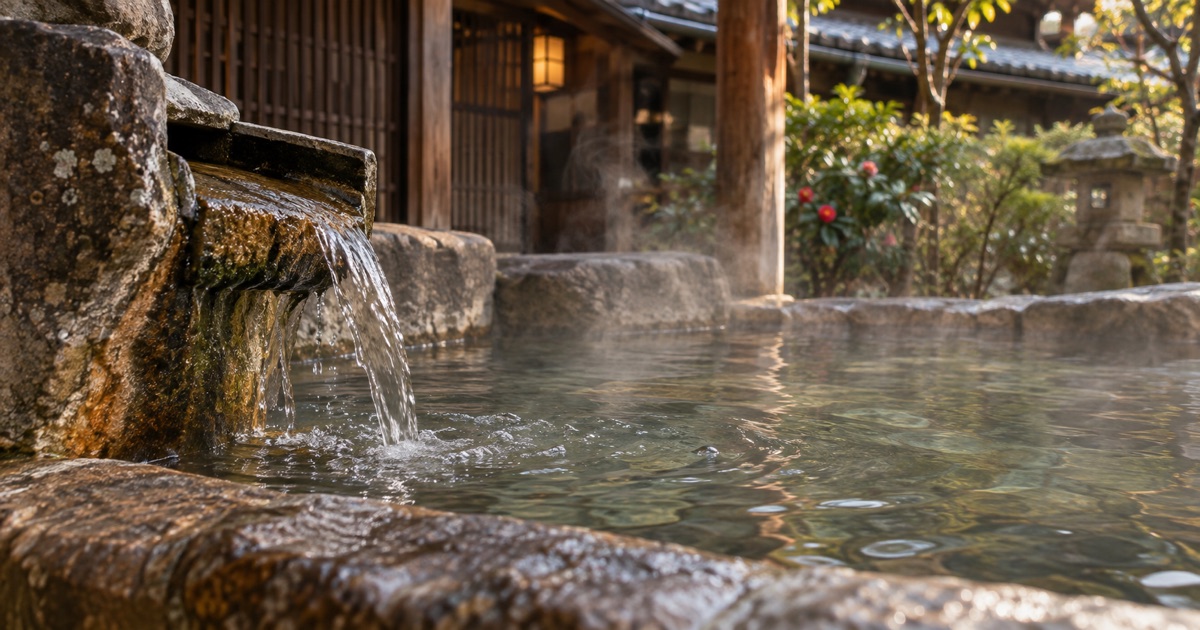
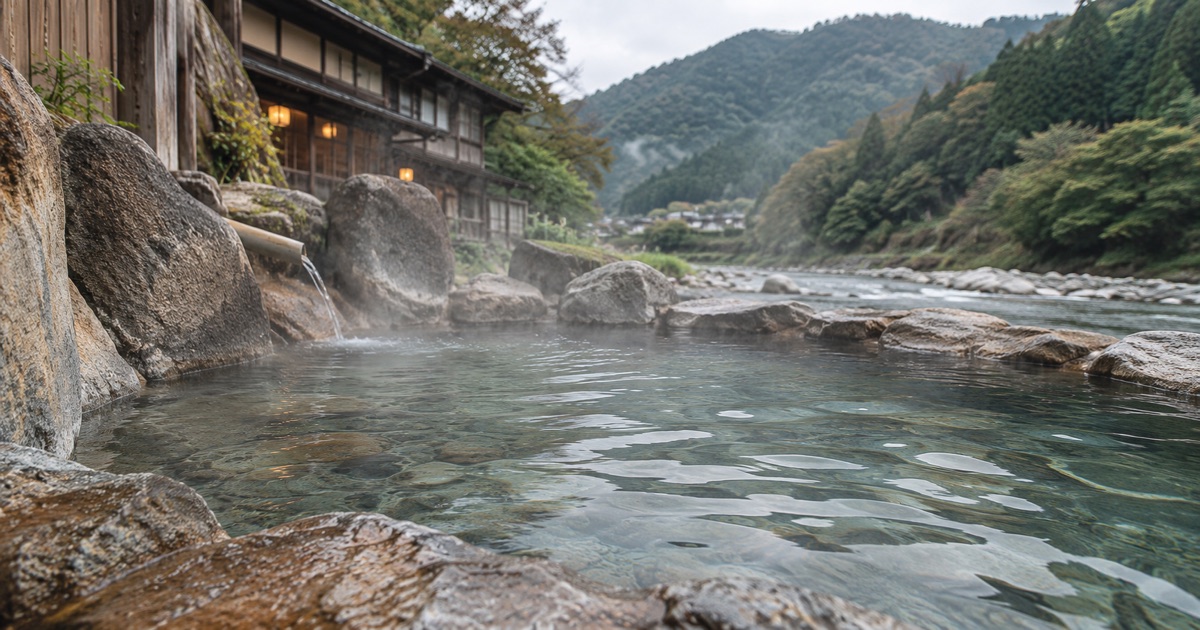
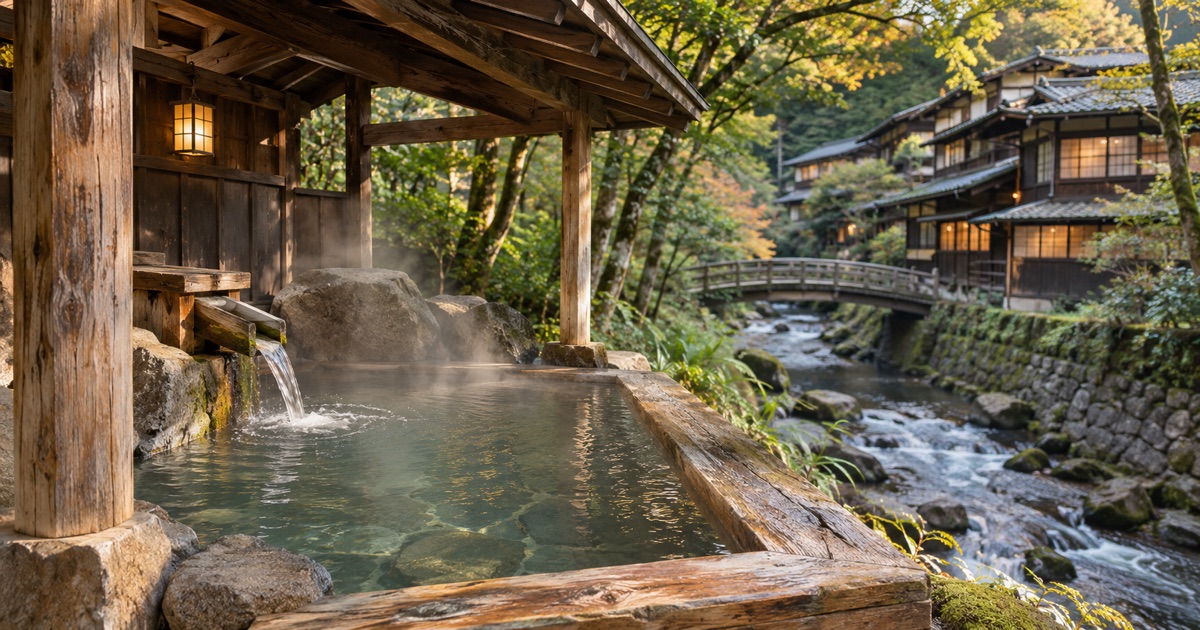
Facilities in the Sanage Onsen area tend to be modest in scale compared to famous onsen resorts. Expect simple indoor bathing areas, and in some cases outdoor baths (rotenburo), rather than elaborate bathhouse complexes. Some facilities may offer day-use bathing (higaeri onsen), which lets visitors pay a one-time fee to use the baths without staying overnight, but availability, pricing, and hours can change, so always check the specific facility's own website or call ahead if possible.
Because this is a smaller, local onsen area rather than a major tourist destination, don't expect extensive English signage or English-speaking staff. A translation app on your phone can be genuinely useful here for reading posted rules or communicating with staff at the front desk.
What to Bring
- A small towel for washing and for modesty walking between the changing room and bath area
- A larger towel for drying off afterward, as not all facilities rent or sell towels
- Cash, since smaller onsen facilities in rural areas are less likely to accept credit cards
- A hair tie if you have long hair, since it generally needs to be kept out of the water
- A change of clothes, especially if you're combining the bath with other activities that day
Basic Onsen Etiquette to Know Before You Go
Wash before entering the bath
Japanese onsen etiquette requires a thorough rinse or wash at the shower stations before stepping into the shared bathing water, not after.
Bathing is typically done nude
At most traditional onsen facilities, including smaller ones like those in the Sanage area, bathing is done without swimwear, and towels are not supposed to go into the water itself.
Tattoo policies vary by facility
Some onsen and public bathhouses in Japan still restrict guests with visible tattoos, while others are more relaxed or offer private bathing options. Policies differ from place to place and can change, so it's best to check the specific facility's own website or contact them directly before visiting if this applies to you.
Keep noise levels low
Baths in residential or rural areas like Sanage Onsen are often used by local residents, so a quieter, more low-key atmosphere is generally appreciated compared to larger resort-style bathhouses.
Common Mistakes First-Time Visitors Make
A frequent mistake is assuming Sanage Onsen will resemble a famous onsen town with a walkable cluster of ryokan and shops; in reality, it's a more scattered, local area, so you'll want a specific destination and transport plan rather than expecting to "wander and discover" baths on foot. Another common issue is underestimating travel time from Nagoya, particularly if relying on buses with infrequent schedules — building in extra time, especially for your return trip, helps avoid missing last connections.
Visitors also sometimes forget that smaller, local-feeling facilities may close for maintenance, holidays, or have seasonal changes to their hours without much English-language notice online. Checking the official website shortly before your visit, or calling ahead if you can, helps avoid a wasted trip.
Is Sanage Onsen Worth Visiting?
Sanage Onsen suits travelers who are already in the Nagoya or Toyota area for other reasons — business, car manufacturing-related visits, or exploring Aichi Prefecture more broadly — and want a relaxed, local bathing experience rather than a full onsen-town holiday. It's not a destination most international visitors would build an entire Japan itinerary around, but as a convenient, low-key stop near Nagoya, it offers a glimpse of everyday Japanese onsen culture away from the more heavily visited resort towns.
If your priority is a famous, highly developed onsen town with English-friendly ryokan and extensive tourist infrastructure, areas like Hakone or Gero may be a better fit. But if you're nearby in Toyota or Nagoya and want a genuine, uncomplicated local soak, Sanage Onsen is a reasonable, practical choice — as long as you plan your transport and check facility details in advance.
FAQ
- Q. Is Sanage Onsen easy to visit as a day trip from Nagoya?
- A. Yes, it's a feasible day trip since Toyota City is close to Nagoya, though travel times depend on whether you go by car or public transport, so allow extra time and check connections in advance.
- Q. Do I need to bring my own towel?
- A. Many smaller onsen facilities in Japan either don't rent towels or charge a small fee, so it's safest to bring your own small towel and a larger one for drying off.
- Q. Are tattoos allowed at Sanage Onsen facilities?
- A. Policies vary by facility, so contact or check the official website of the specific bathhouse you plan to visit before you go.
Cite or share this article
Copy the link below. If you quote this article, please link to this page as the source.