Shirakawa Onsen Guide: Kumamoto's Secluded Hot Springs
Key takeaways
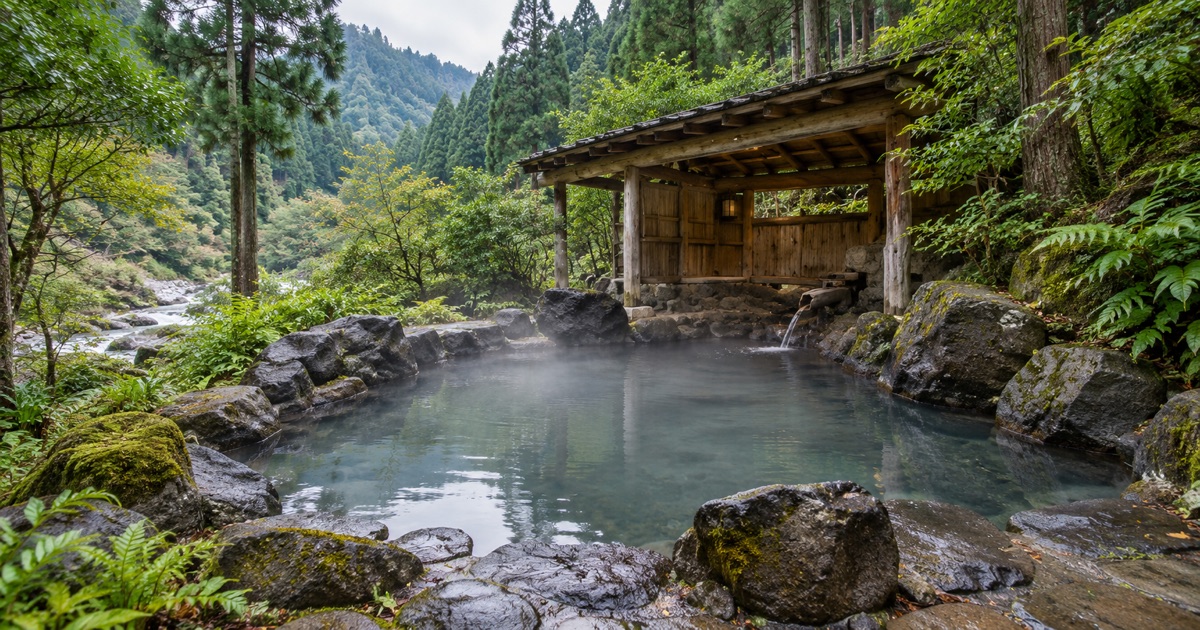
- Tucked away in Kumamoto Prefecture, Shirakawa Onsen offers secluded forest bathing near Mount Aso and Kurokawa Onsen.
- Access requires taking a train or flight to Kumamoto, followed by a local bus or rental car into the Minamioguni mountains.
- Most visitors stay overnight at traditional ryokan, as standalone day-use public baths are limited compared to nearby towns.
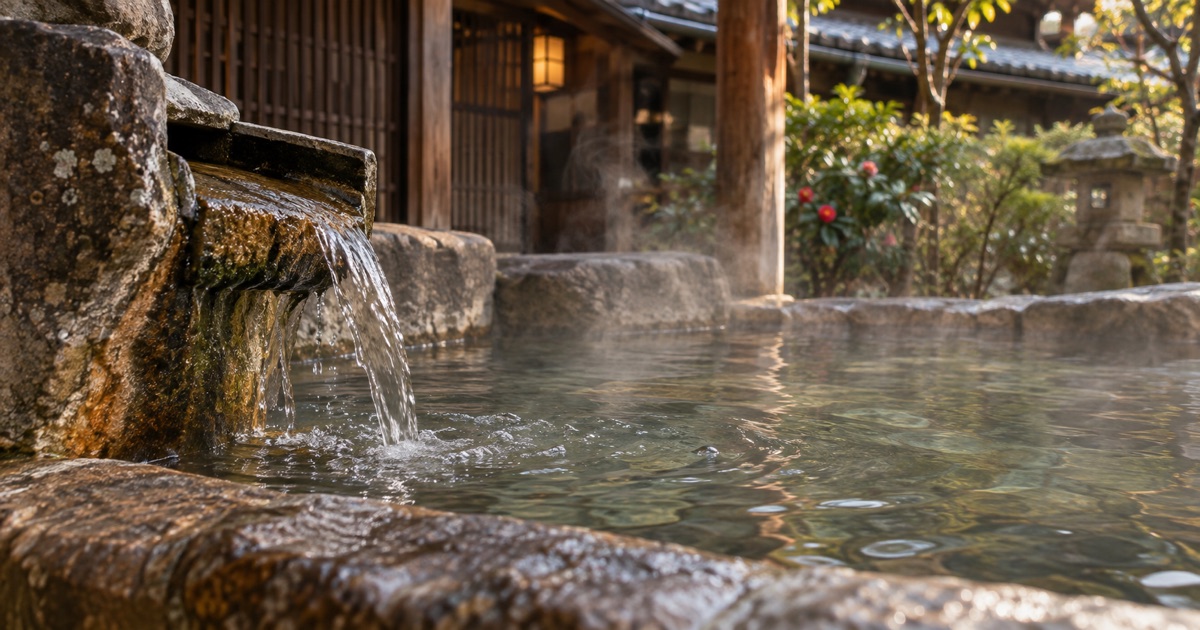
Shirakawa Onsen (白川温泉) is a peaceful hot spring enclave located in the town of Minamioguni (南小国町) in Kumamoto Prefecture, Kyushu. Renowned for its tranquil forested setting near the base of the Mount Aso caldera, this quiet hamlet provides an uncrowded, nature-focused alternative to busier hot spring resorts nearby.
Many overseas travelers confuse Shirakawa Onsen with the famous thatched-roof village of Shirakawa-go in Gifu Prefecture. Shirakawa Onsen, however, sits hundreds of kilometers south in Kumamoto’s lush highlands, just a short drive from the famous Kurokawa Onsen (黒川温泉). For visitors seeking privacy, exceptional Japanese hospitality, and quiet riverside soaking, this hidden corner of Kyushu is an ideal retreat.
Understanding Shirakawa Onsen
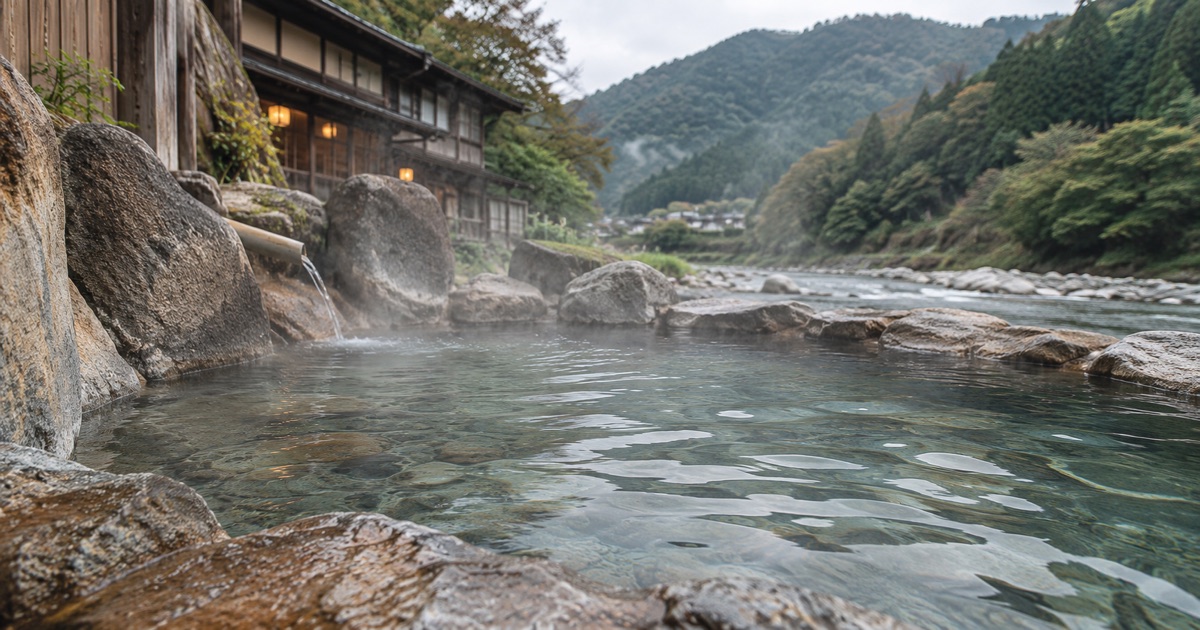
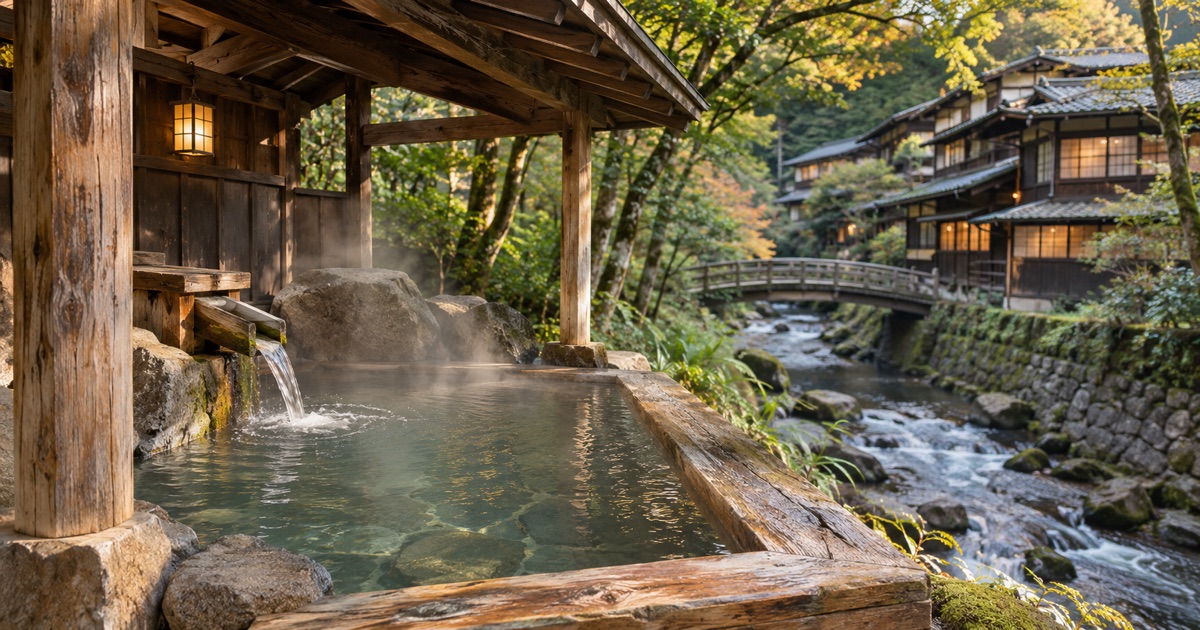
Shirakawa Onsen is not a dense town filled with tourist shops and bustling pedestrian lanes. Instead, it consists of a handful of secluded traditional inns (ryokan) scattered along the clear waters of the Shirakawa River and framed by dense bamboo groves and cedar trees.
The geothermal activity of the Mount Aso volcanic region supplies the mineral-rich spring water throughout Minamioguni. While neighboring Kurokawa Onsen attracts daytime crowds hopping between outdoor baths, Shirakawa Onsen emphasizes stillness. Travelers head here specifically to slow down, listen to the river, and enjoy multi-course seasonal dining (kaiseki) alongside long, restorative soaks.
Getting to Shirakawa Onsen
Because Shirakawa Onsen sits in a rural mountainous district, reaching it requires some planning. Public transport is available, but renting a car offers the greatest flexibility.
By Public Transportation
- Fly or take the Shinkansen to Kumamoto: Arrive at Kumamoto Airport (KMJ) or Kumamoto Station (熊本駅) via the Kyushu Shinkansen. Rail schedules and regional passes can be reviewed via JR West.
- Highway Bus to Minamioguni or Kurokawa: Board the Kyushu Sanko bus (such as the Kurokawa Onsen Line) departing from Kumamoto Station or Kumamoto Airport. The ride to the Minamioguni area takes roughly 2 to 2.5 hours.
- Local Taxi or Inn Shuttle: There are no direct train stations in Minamioguni. Coordinate with your ryokan beforehand, as many offer free pickup services from nearby bus stops like the Minamioguni Town Hall (南小国町役場前) or Kurokawa Onsen bus stop. Alternatively, take a local taxi for the remaining 5- to 10-minute drive.
By Rental Car
Driving is the most convenient way to explore central Kyushu:
- From Kumamoto Airport: Roughly 60 to 75 minutes via Route 339 (the Milk Road) across the Aso caldera.
- From Fukuoka Airport: Roughly 1.5 to 2 hours via the Oita Expressway, exiting at Hita Interchange and following Route 212 south toward Minamioguni.
Winter Caution: During winter (roughly December through March), mountain passes can experience freezing temperatures, snow, and black ice. If visiting in winter, ensure your rental car includes studless snow tires.
We are working to carry Japanese craft and everyday culture beyond Japan, by building Japan Towns with local partners.
Read the Japan Town plan →Bathing Styles: Public Soaks and Private Baths
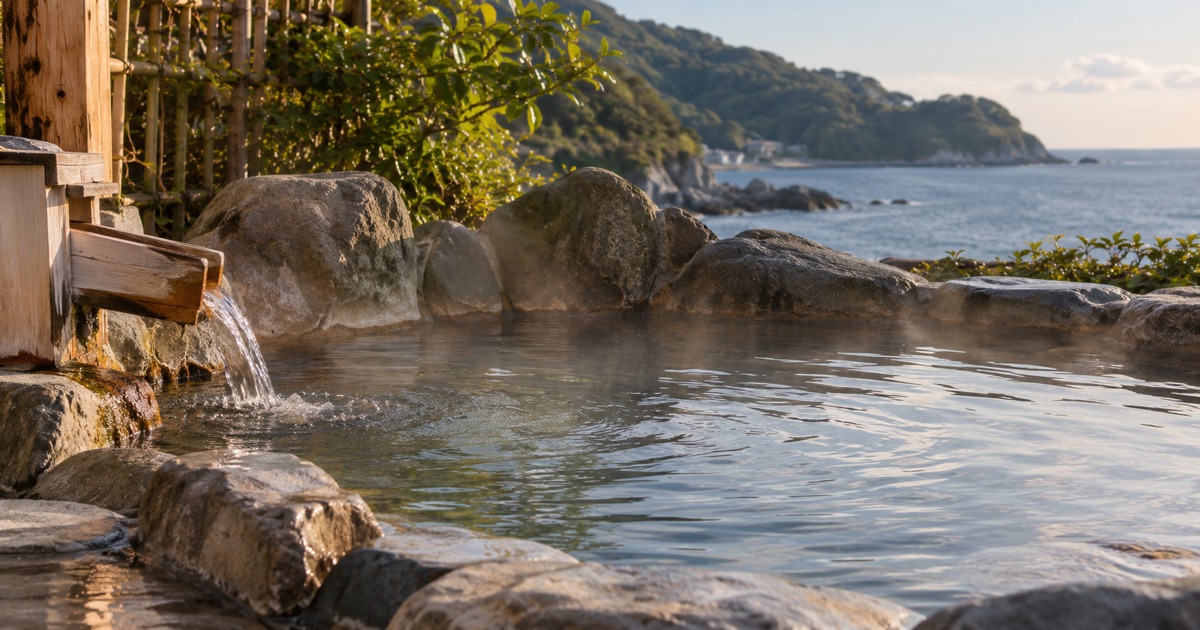
The hot springs in Shirakawa Onsen feature clear, thermal waters heated by deep geothermal sources. The experience here focuses primarily on overnight stays, though day visitors may find select options.
Overnight Ryokan Stays
Most visitors book a full-board stay (dinner and breakfast included) at one of the area’s secluded inns. Accommodations range from modern luxury hideaways with freestanding guest villas to traditional wooden lodges. Many rooms feature private outdoor hot spring baths (rotenburo), allowing you to soak in complete privacy at any hour of the day or night.
Day-Use Bathing
Unlike Kurokawa Onsen, which runs a communal bath-hopping pass (tegata), Shirakawa Onsen features fewer public day-use facilities. A few select ryokan occasionally open their public baths to non-staying visitors for a few hours around midday. Fees typically range around 500 to 1,500 yen per person. Because hours fluctuate based on inn occupancy, cleaning schedules, and maintenance, day visitors should never assume a bath is open without confirming on the facility’s official website beforehand.
Essential Bathing Etiquette for First-Timers
Bathing in Japan follows simple, practical rules designed to keep the communal water pristine for everyone.
- Undress Completely: Bathing suits are strictly forbidden in traditional onsen baths. Leave all clothing, jewelry, and watches in the locker or basket provided in the changing area.
- Wash Before Entering the Water: The large baths are solely for soaking, not cleaning your body. Head to the washing stalls equipped with stools, basins, shampoo, and soap. Sit down on the stool and scrub thoroughly, rinsing off all suds before stepping into the water.
- Manage Your Towel: You will receive a small washcloth (tenugui). You may use this to wash yourself at the shower stall, but it must never touch the hot spring bath water. Fold it and place it on your head, or set it on the dry edge of the pool.
- Tie Up Long Hair: Keep long hair off your shoulders using a hair tie or shower cap so it does not trail in the spring water.
- Dry Off Lightly: Before stepping back onto the changing room floor, wring out your small towel and wipe excess water off your skin to avoid soaking the bath mats.
Tattoo Policies in Shirakawa Onsen
Public attitudes toward tattoos in Japan remain conservative due to historical associations with organized crime. However, the Minamioguni region is generally more accommodating to international travelers than urban bathhouses.
- Communal Baths: Some ryokan still request that guests with visible tattoos refrain from using the large shared gender-separated baths. Others permit small tattoos if covered with waterproof bandages or skin-toned patches.
- Private and In-Room Baths: Guests with tattoos can bathe freely without restriction by booking a private family bath (kashikiri-furo) or reserving a guest room that includes a private attached bath.
Because policies vary significantly between individual properties, verify the rules directly on the inn's website before finalizing your reservation.
What to Bring and What to Expect
To ensure a smooth trip, keep these practical considerations in mind:
- Cash (Japanese Yen): Rural Kumamoto runs largely on cash. While major ryokan accept international credit cards for room payments, local buses, small snack shops, roadside produce stands, and entry fees for daytime baths often require cash.
- Slip-On Shoes: You will remove your shoes at the entrance of your inn and frequently step in and out of footwear when moving between your room and the baths.
- Comfortable Layers: Minamioguni sits at a higher elevation than Kumamoto City. Even in summer, evenings can feel cool, while autumn and winter demand warm coats, gloves, and scarves.
- Modest Expectations for Nightlife: Shirakawa Onsen is profoundly quiet after dark. There are no convenience stores, nightclubs, or late-night izakaya within walking distance. Plan to relax at your inn, savor your evening meal, and enjoy quiet soaks under the stars.
Nearby Attractions in the Minamioguni Area
Shirakawa Onsen makes an excellent base for discovering the wider Aso-Kuju national park area.
- Kurokawa Onsen: Just 5 to 10 minutes away by car, this celebrated village features charming riverbanks lined with traditional ryokan, sweet shops, and rustic outdoor baths open to day visitors.
- Meotodaki Fall (夫婦滝): Located close to the border of the hot spring settlements, this scenic spot features two separate rivers joining together in twin waterfalls surrounded by lush forest.
- Mount Aso Caldera: A roughly 40-minute drive south brings you to the rim of one of the world's largest volcanic calderas, offering panoramic views across the sweeping grasslands of Kusasenri and steaming volcanic peaks. General travel information for regional sightseeing is available through the Japan National Tourism Organization.
Whether you plan an overnight stop on a Kyushu road trip or a multi-day escape from city life, Shirakawa Onsen provides a genuine taste of Japan’s countryside hot spring culture.
FAQ
- Q. Where is Shirakawa Onsen located?
- A. Shirakawa Onsen (白川温泉) is a quiet hot spring hamlet in Minamioguni Town, Kumamoto Prefecture, on the island of Kyushu.
- Q. Can you visit Shirakawa Onsen as a day-use guest?
- A. While some local inns occasionally offer daytime bathing hours, most facilities prioritize overnight guests. Check directly beforehand.
- Q. Are tattoos allowed at baths in Shirakawa Onsen?
- A. Policies vary by ryokan. Many inns feature private rental baths or in-room baths where guests with tattoos can bathe without issue.
Cite or share this article
Copy the link below. If you quote this article, please link to this page as the source.