Wakkanai Onsen Guide: Japan's Northernmost Hot Springs
Key takeaways
- Wakkanai Onsen Dome is officially recognized as the northernmost natural hot spring facility in Japan.
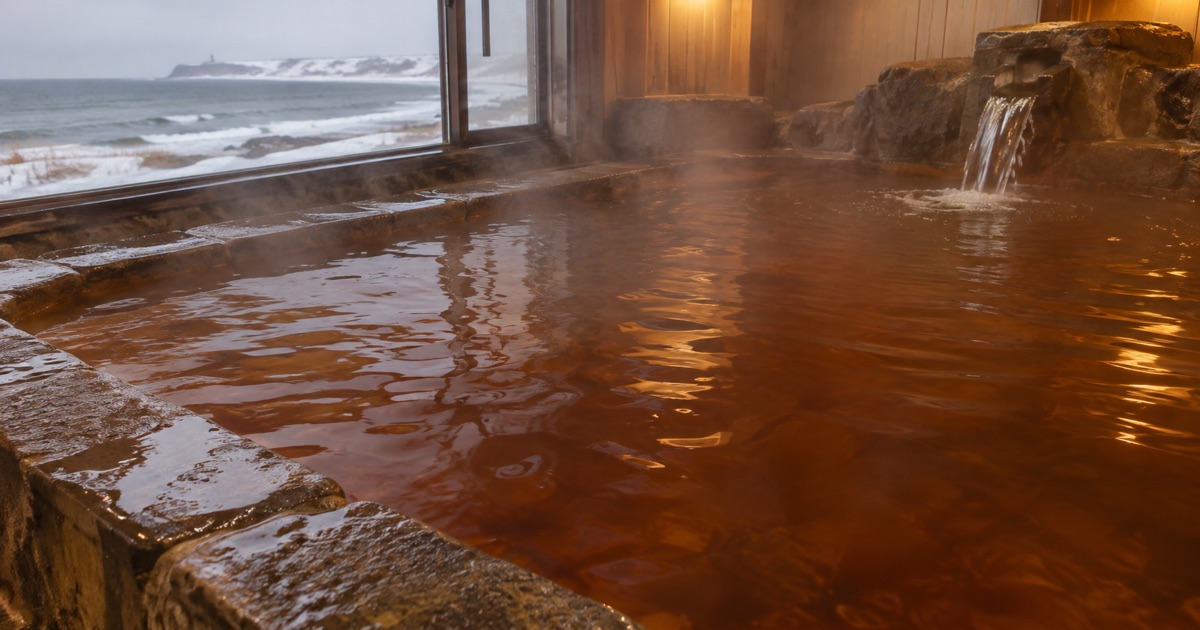
- Most onsen in the area feature amber, oil-rich moor-style spring water that warms the body thoroughly.
- Facilities are accessible by local bus, rental car, or taxi from Wakkanai Station, the final stop on the JR line.
Wakkanai onsen refers to the collection of natural hot springs located in and around Wakkanai City, the northernmost urban settlement in Hokkaido, Japan. The area is famous for hosting Japan's northernmost hot spring facility, Wakkanai Onsen Dome, alongside hotels and public baths known for nutrient-dense, amber-colored moor waters.
Visiting a hot spring at the northern edge of the country offers a memorable bathing experience, especially during the colder months when harsh sea winds sweep across the Soya Strait. This guide explains what to expect, how to access the baths, what gear to prepare, and how to navigate local bathing etiquette without speaking Japanese.
Understanding the Waters of Wakkanai
Hot springs in northern Hokkaido differ significantly from the clear, sulfurous mountain springs found in central volcanic regions. Wakkanai draws its thermal water from deep sedimentary layers near the Sea of Japan.
The water is frequently classified as a sodium-chloride or hydrogen-carbonate spring, often showing a yellow-to-brown hue reminiscent of strong tea. In Japan, this organic-rich water is widely known as "moor" (plant-derived) onsen. The water feels silky against the skin and leaves a light coating of salt that helps your body retain heat long after stepping out of the tub.
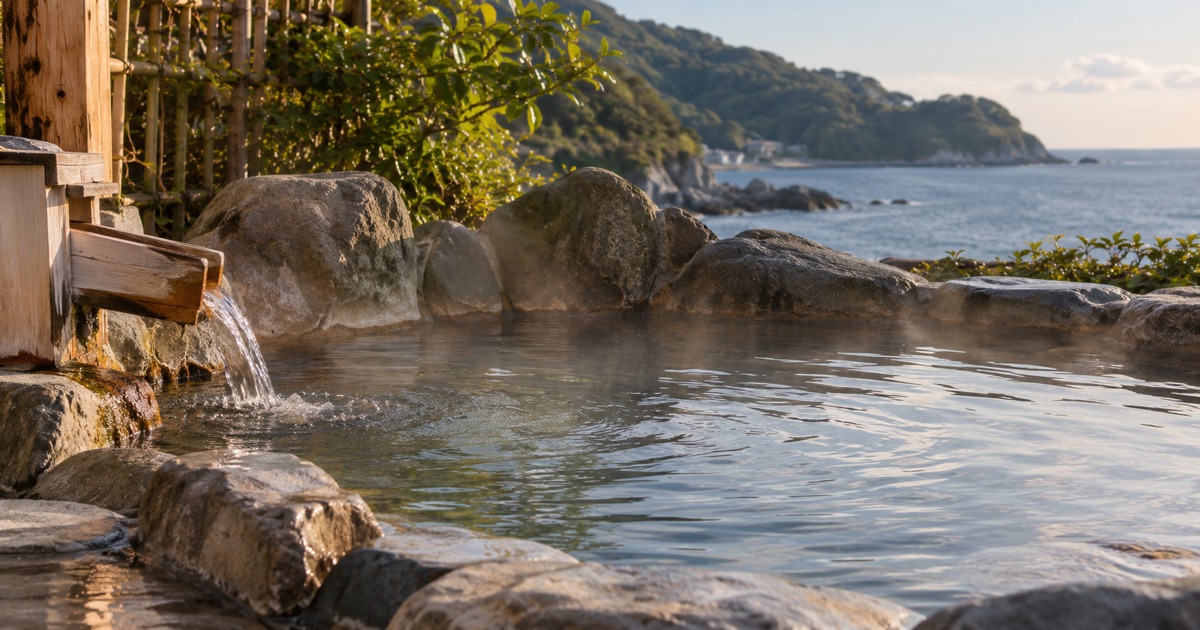
On clear days, several coastal baths offer views across the ocean toward Rishiri Island (利尻島) and its prominent volcanic peak, Mount Rishiri.
Top Onsen Spots in Wakkanai
Whether you are staying overnight or passing through on a road trip, Wakkanai offers options for both day visitors and overnight hotel guests.
Wakkanai Onsen Dome (稚内温泉童夢)
Wakkanai Onsen Dome is widely recognized as the northernmost natural onsen facility in Japan. Situated along the coast west of Cape Noshappu (野寒布岬), this spacious municipal facility caters primarily to day-use visitors.
Inside, you will find:
- Large indoor public pools maintained at various temperatures
- Jet baths, bubble baths, and cold-plunge pools
- Dry saunas and mist saunas
- An outdoor open-air bath (rotenburo) offering views of the coastline and the silhouette of Rishiri Island on clear days
Because it is a community-oriented public bath, it includes resting lounges with tatami mats where visitors can unwind after bathing. Towel rentals are typically available for a modest fee, but bringing your own saves money. Opening hours and operating days vary by season, so check the official facility notices before planning your trip.
Hotel Hot Springs Around Wakkanai Station and the Port
Several hotels in the central city district near Wakkanai Station (稚内駅) and the ferry terminal feature onsen baths. Some open their facilities to non-staying guests during set afternoon and evening hours, while others reserve bath access exclusively for overnight visitors.
Staying at an onsen hotel near the station provides easy access to dining and rail connections. If you plan to take a morning ferry to Rebun or Rishiri Island, booking a night at an onsen hotel near the harbor makes logistical sense.
We are working to carry Japanese craft and everyday culture beyond Japan, by building Japan Towns with local partners.
Read the Japan Town plan →How to Get to Wakkanai and Local Baths
Reaching Wakkanai requires some planning due to its remote position at the top of Hokkaido.
Getting to Wakkanai City
- By Air: Wakkanai Airport receives daily domestic flights from Tokyo (Haneda) and Sapporo (New Chitose). From the airport, connecting buses run to central Wakkanai in roughly 30 to 35 minutes.
- By Train: Limited express trains connect Sapporo Station directly to Wakkanai Station via the JR Soya Line in roughly 5 to 5.5 hours. Rail schedules and passes can be researched through Japan National Tourism Organization.
- By Highway Bus: Intercity buses operate between Sapporo and Wakkanai, taking approximately 6 to 7 hours depending on weather and road conditions.
Getting to Wakkanai Onsen Dome
- Local Bus: Soya Bus operates local routes departing from the bus terminal adjacent to Wakkanai Station. Board a bus heading toward Noshappu or Onsen Dome. The journey takes around 15 to 25 minutes depending on the specific line and stops.
- Taxi: A taxi ride from Wakkanai Station to Wakkanai Onsen Dome takes roughly 10 to 15 minutes.
- Rental Car: Driving is straightforward in summer, taking about 10 minutes from the city center. In winter, roads can be icy and prone to whiteout conditions, requiring extreme caution.
Bus frequencies in Wakkanai are limited, with buses often running only once every hour or two. Always check the departure times for your return trip immediately upon arrival at the facility.
Step-by-Step: How to Use a Wakkanai Day-Use Onsen
If you have never visited a Japanese public bath, the process is straightforward once you know the sequence. English signage in Wakkanai can be minimal, so keep these steps in mind:
- Remove your shoes: Take off your footwear at the main entrance and place them into a shoe locker. Take the locker key with you.
- Purchase your entry ticket: Buy an admission ticket at the vending machine (kenbaiki) near the front desk. Look for buttons showing standard adult admission (otona, 大人). If you need a towel, purchase a ticket for a face towel (feisutaoru, フェイスタオル) or bath towel (basutaoru, バスタオル).
- Hand over your ticket: Give your ticket to the staff at the reception counter (front).
- Enter the correct changing room: Look for the fabric curtains (noren). Red or pink curtains marked with 女 indicate the women's area; blue or green curtains marked with 男 indicate the men's area.
- Undress completely: Place all clothing, jewelry, and personal belongings into a locker or basket. No swimwear, underwear, or footwear is permitted in the bathing area. Keep only your small washcloth with you.
- Wash thoroughly before soaking: Walk into the bath hall and sit at an open washing stall equipped with a stool and basin. Wash your body and hair using the provided soap and shampoo before entering any bath. Rinse away all soap residue completely.
- Soak and relax: Slowly step into the bath. Keep your hair tied up and do not let your small washcloth touch the bathwater (most bathers place it on their head or set it on the dry ledge).
- Dry off before returning: When finished, wring out your small washcloth and wipe excess water off your body in the entrance zone before stepping onto the changing room floor.
Essential Packing List
To make your visit smooth, pack the following items in a small bag:
- Cash (Coins and 1,000-yen notes): Many rural ticket machines and shoe lockers do not accept credit cards or IC cards. Locker coin slots often require a 100-yen coin, which is returned when you unlock the door.
- Compact Towel: You can buy towels on-site, but having a quick-drying travel towel or small hand towel saves money and hassle.
- Moisturizer: Moor onsen water is rich in minerals, but high winds and cold coastal air in Wakkanai can dry out your skin after bathing.
- Hair Tie: Long hair must be pinned up so that it does not drift into the communal water.
- Plastic Bag: Useful for carrying damp washcloths back to your hotel.
Common Mistakes to Avoid
- Assuming frequent transit: Missing the last bus back from Wakkanai Onsen Dome can leave you stranded several kilometers from town. Confirm the return bus schedule on the timetable posted at the bus stop before you enter the bath.
- Entering the bath with soap on your body: Jumping straight into the communal water without washing at a shower stall first violates bath etiquette.
- Wearing swimwear: Japanese onsen require complete nudity in gender-separated areas unless a facility explicitly advertises itself as a mixed, suit-required bath.
- Ignoring tattoo rules: Tattoo policies vary by facility across Hokkaido. While some modern or municipal baths are becoming more flexible, others still prohibit visible body art. If you have tattoos, consider bringing waterproof concealing tape, or verify the property's policy in advance.
- Winter driving hazards: Driving to coastal onsen during Hokkaido's winter requires preparation. Drifting snow and sudden blizzards can eliminate visibility within minutes. If you are inexperienced with winter driving, use taxis or local buses instead.
FAQ
- Q. What makes Wakkanai onsen water unique?
- A. Many hot springs around Wakkanai feature dark, tea-colored water known as moor onsen, which contains natural plant matter and organic minerals.
- Q. Can people with tattoos use onsen in Wakkanai?
- A. Policies vary by facility. Some public baths prohibit visible tattoos, while others allow small tattoos if covered with waterproof patches; check before entering.
- Q. How do you reach Wakkanai Onsen Dome from the city center?
- A. You can take a local bus from Wakkanai Station toward the Noshappu area, or travel by rental car or taxi in roughly 10 to 15 minutes.
Cite or share this article
Copy the link below. If you quote this article, please link to this page as the source.